Classroom Grading Systems Design to Help Recover Your Weekends
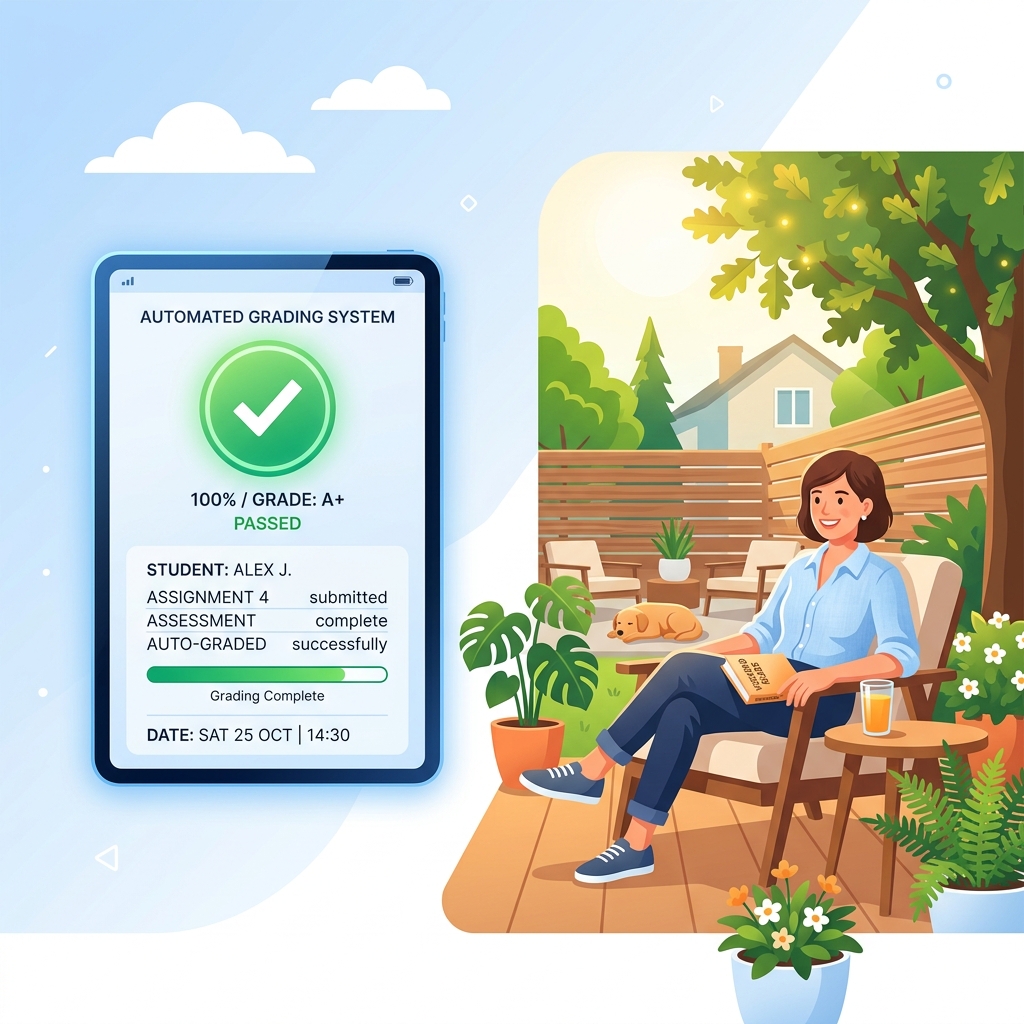
One of the most common complaints among teachers is the grading workload. It is easy to feel buried under a mountain of homework worksheets, project rubrics, and quizzes. This grading grind leads to burnout and reduces the time teachers can spend on lesson design.
To protect your weekends, you need to design grading systems that prioritize efficiency without sacrificing student feedback.
1. Implement Selective Grading You do not need to grade every worksheet. Use homework and daily classwork as formative practice, checking for completion or letting students self-check their answers. Selectively choose one major assignment per week to grade for detailed accuracy.
2. Use Feedback Codes Instead of writing the same comment on fifty different papers, create a code sheet (e.g., "C1 = check comma placement"). Write the code on the student's paper and let them refer to the sheet to make corrections.
3. Leverage Self-Grading Checkpoints Shift your formative quizzes to digital formats. Using self-grading quizzes allows students to receive instant feedback, while you get clear data summaries without any manual grading. You can set up these digital reviews easily using our online quiz maker.
By implementing these grading systems, you can keep feedback loops tight and reclaim your weekends.
Ready to save time on your next worksheet?
Generate a worksheet